By Priyanwada Atapattu
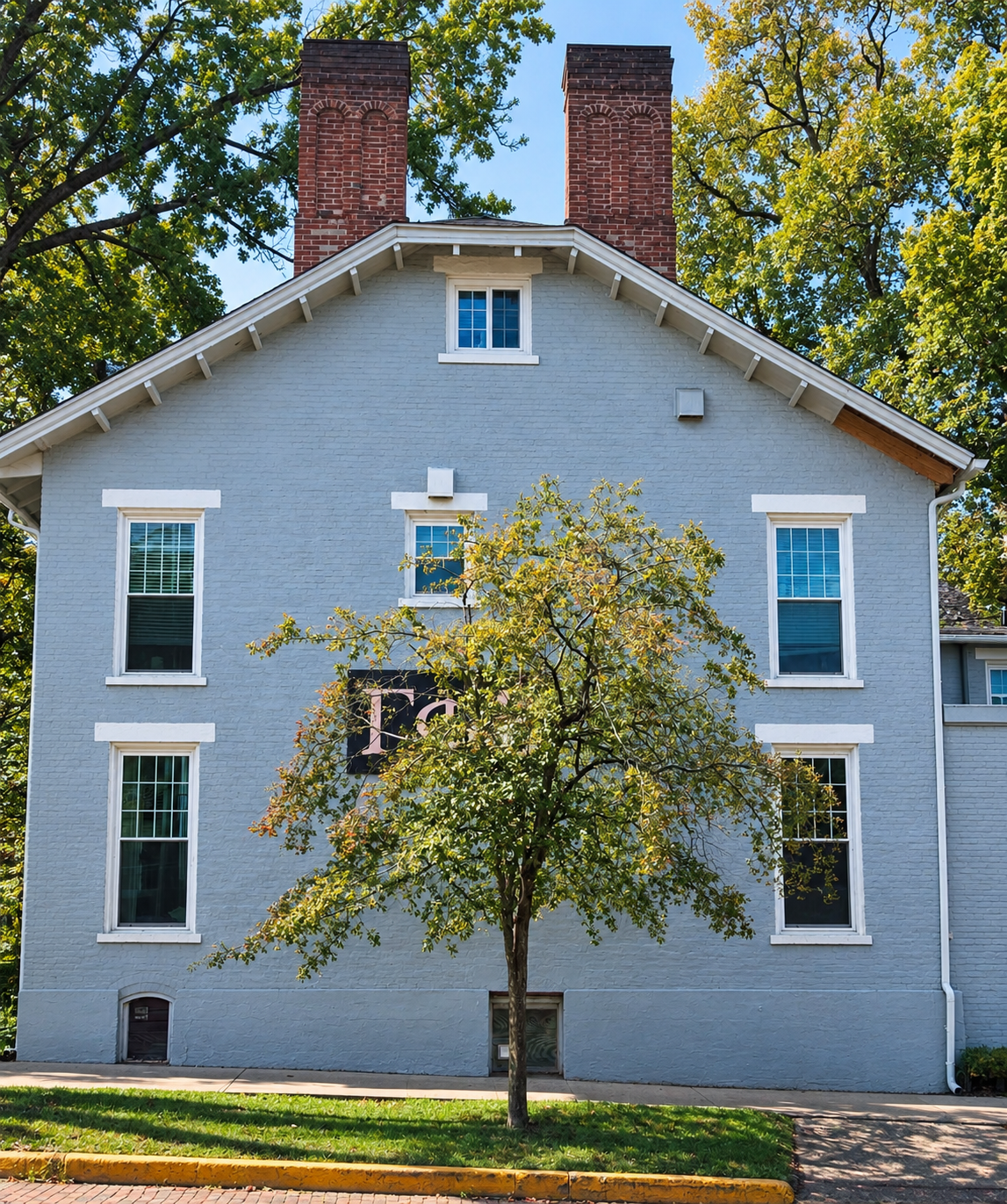
A tree cannot move when its neighborhood changes. That simple fact makes urban trees fascinating. Imagine a young tree growing beside a house in a quiet neighborhood, with open soil around its roots, a lawn nearby, plenty of sunlight, and relatively little pavement. Now imagine the same place 60 years later. The house may have been replaced by a larger building, the road widened, a parking area added, and sidewalks built around the site. Utility lines may now cross above the canopy, and much of the open ground may have disappeared. Yet the tree may still be standing in exactly the same place. From our perspective, we see an old tree growing in a highly developed environment. From the tree's perspective, however, the environment changed around it.
Cities can change quickly compared with the lifespan of a mature tree. During a tree's lifetime, buildings can be constructed and demolished, roads modified, properties divided, land uses changed, and surrounding vegetation removed or planted. A tree that now stands beside a parking lot may have started life beside a lawn. A tree squeezed between a sidewalk and a building may have established before either existed. A mature tree surrounded by houses may once have stood beside an undeveloped area. The tree stayed in the same location, but its habitat did not.
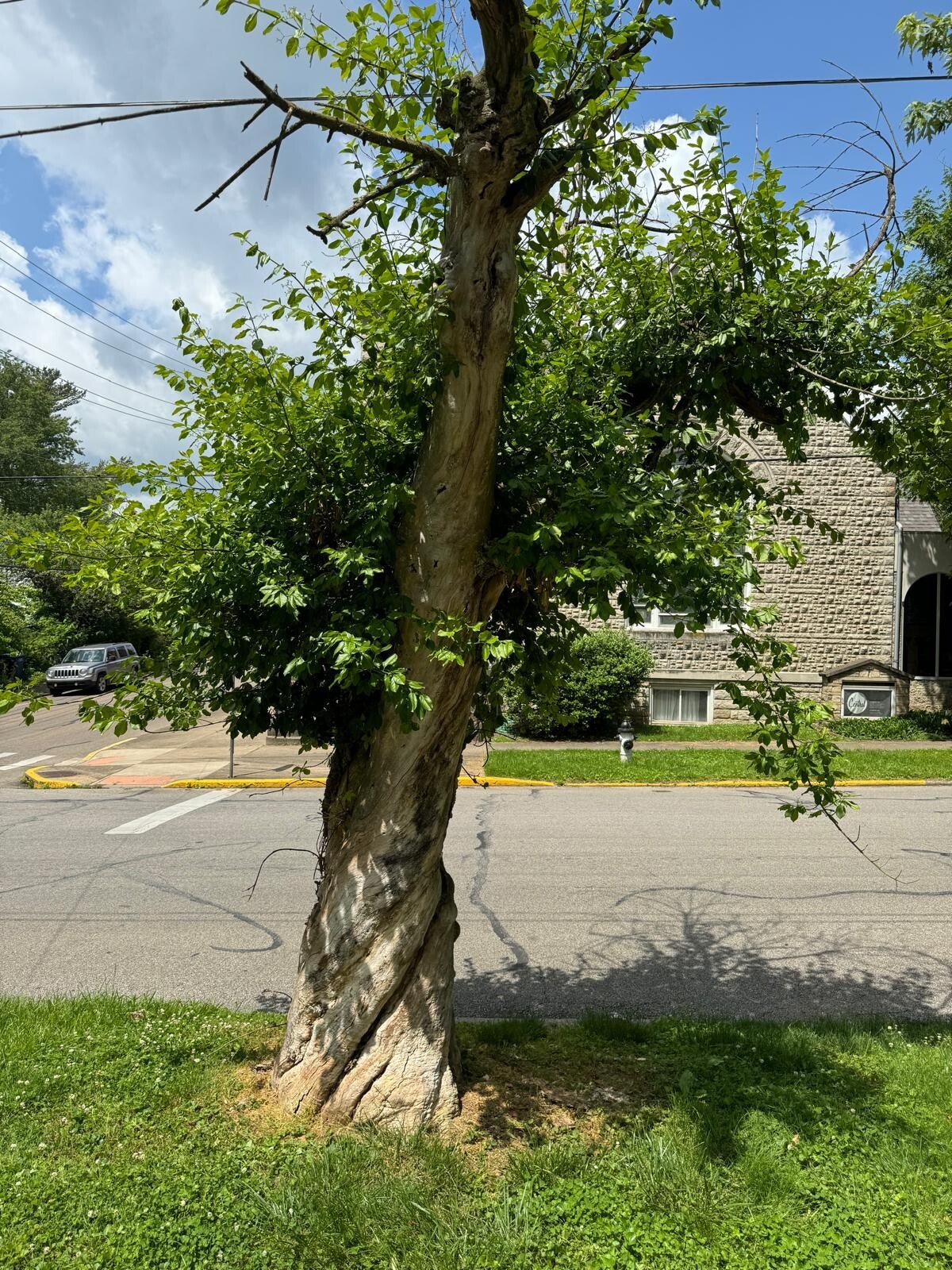
This creates an interesting challenge for urban ecologists. If we want to understand why some trees survive for decades while others disappear, we naturally look at their present surroundings. We might measure soil conditions, rooting space, nearby pavement, buildings, neighboring trees, or overhead utility lines. But these measurements describe the environment today. An old tree may have spent much of its life under very different conditions. For example, a tree that currently has a large open planting area may not always have had that space. Pavement could have been removed or landscaping changed later in its life. Likewise, a tree currently surrounded by pavement may have spent its early decades growing beside open ground. What we see today is therefore only one moment in a much longer ecological story.
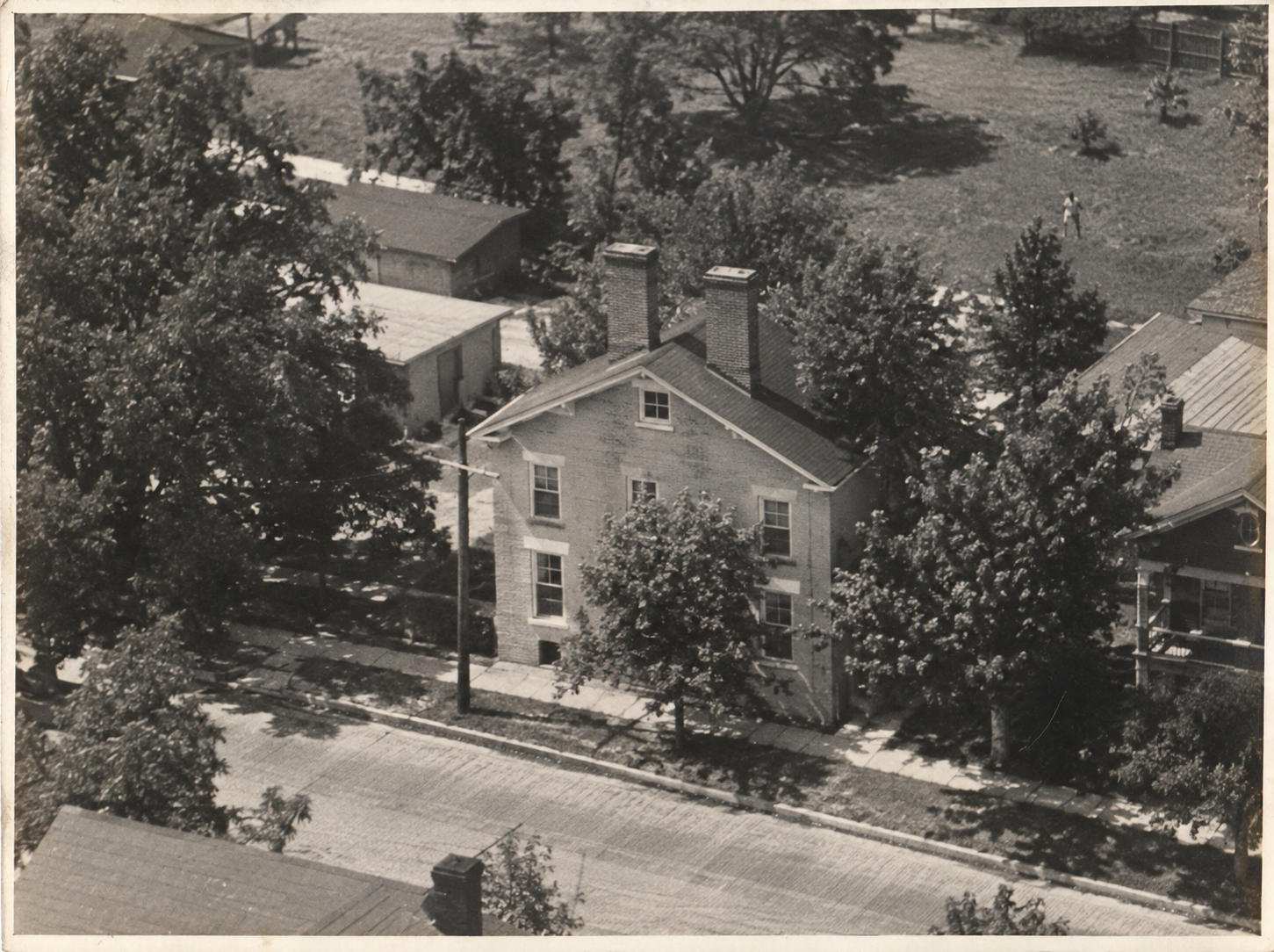
Historical aerial photographs provide a fascinating way to uncover that story. When photographs from different decades are placed side by side, a familiar neighborhood suddenly becomes a changing landscape. Open land becomes residential, neighborhoods become denser, roads appear or expand, new buildings are constructed, and parking areas replace vegetation. At the same time, tree canopies appear, disappear, and expand. Looking at the same location across several decades is almost like using a time machine for urban ecology. Instead of seeing only where trees are today, we can begin to understand the landscapes through which they have survived.
Aerial photographs can also be deceptive in interesting ways. Imagine that a paved area is clearly visible in one photograph but appears covered by tree canopy several decades later. At first, it might seem that the pavement was removed and replaced by vegetation. But that is not necessarily what happened. The tree may simply have grown over it. Aerial photographs primarily show the uppermost surface visible from above. As a tree's crown expands, it can cover sidewalks, driveways, parking areas, and even parts of buildings. What appears to be a change from impervious surface to forest or tree cover may therefore represent canopy expansion rather than the disappearance of the surface underneath. This is one reason historical landscape interpretation requires more than simply comparing what appears in two photographs.
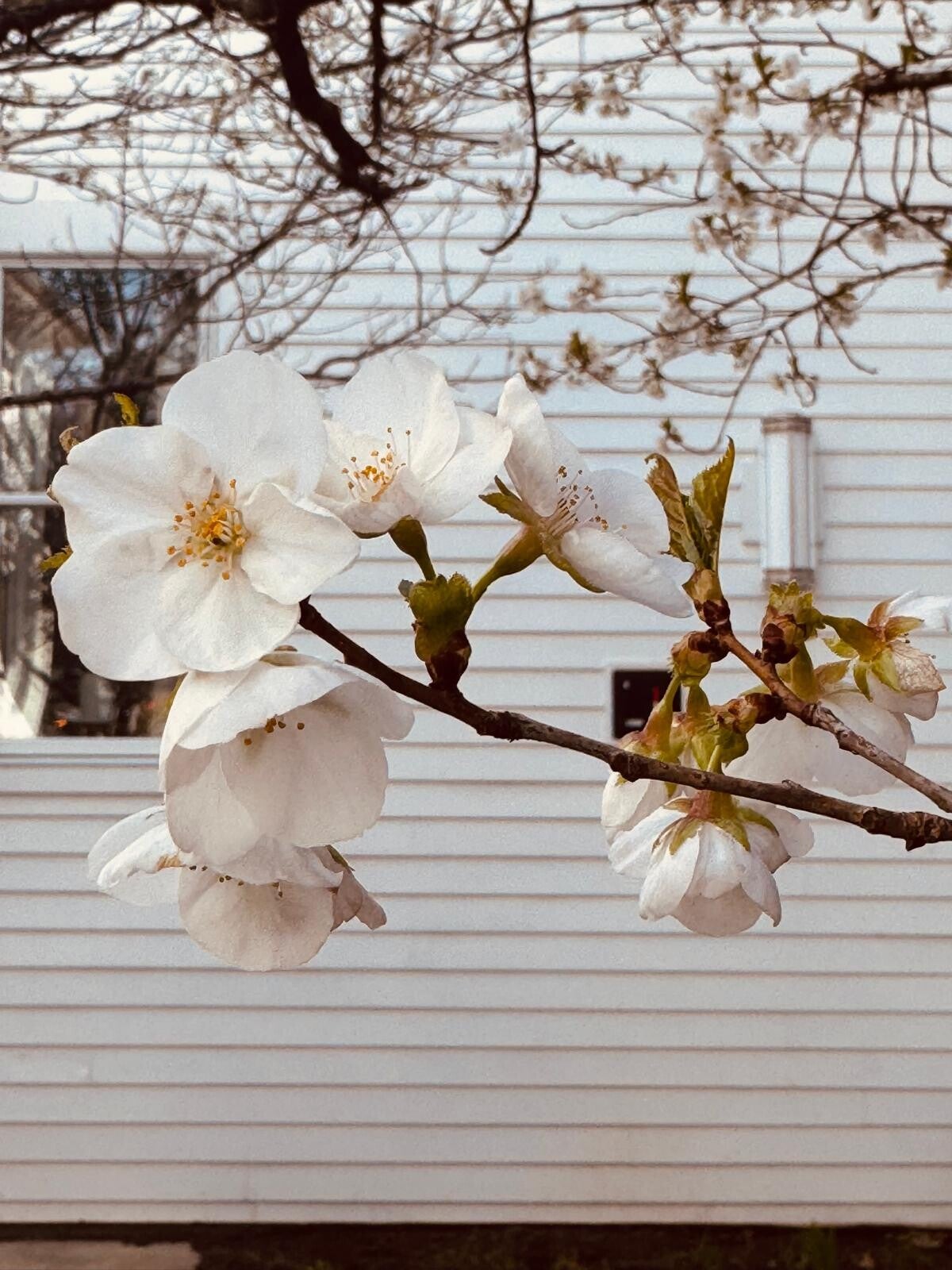
Old city trees can therefore be viewed as more than vegetation in today's landscape. They are living pieces of urban history. A mature tree may have experienced decades of construction, changes in land use, storms, pruning, changing neighbors, and generations of people living around it. Its trunk represents years of biological growth, while the changing landscape around it represents years of urban development. Together, those two histories can tell us something about how cities and nature coexist through time.
The next time you walk past a large tree surrounded by buildings, sidewalks, roads, and parking areas, it may be worth asking a different question. Instead of wondering, “How did such a large tree manage to grow here?” ask, “Was here always like this?” Perhaps the sidewalk came later. Perhaps the building came later. Perhaps the parking lot came later. In some cases, almost everything surrounding an old tree may be younger than the tree itself.
That is one of the most fascinating things about urban ecology: trees stay rooted in place, but the city around them never stands still.
Add comment
Comments